
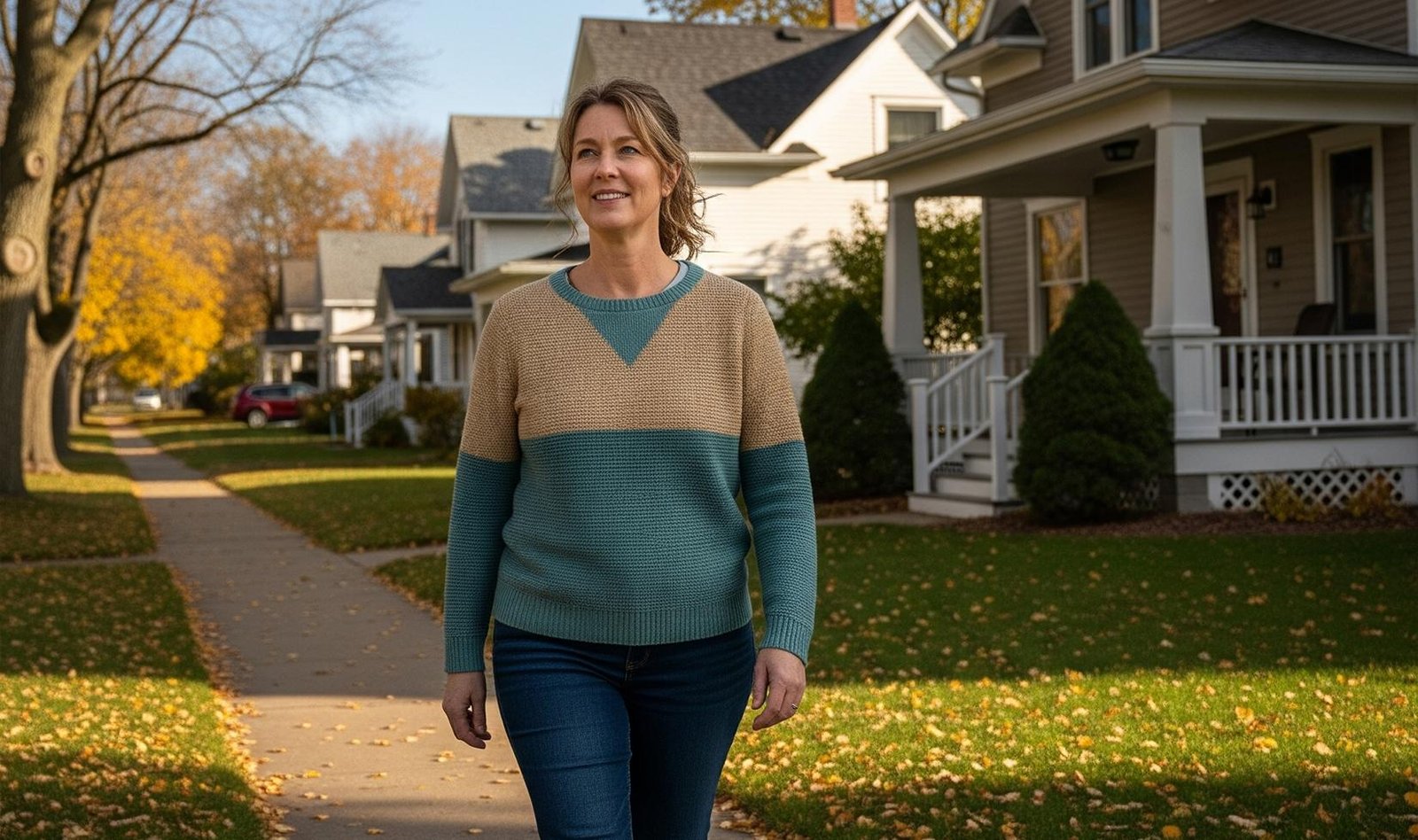
10-Minute Walk After Meals: 7 Simple, Powerful Health Benefits
What if a small change after breakfast, lunch, or dinner could help you build a healthier daily routine?
You do not need an expensive gym membership, special equipment, or a complicated workout plan to become more active. Sometimes, a simple walk around your neighborhood or inside your home is a good place to start.
A 10-minute walk after meals is an easy habit that can fit into almost any schedule. It encourages your muscles to use energy, breaks up long periods of sitting, and may help your body manage blood sugar after eating.
Research has also found that moving after a meal can have a positive effect on post-meal glucose levels. This makes a short walk an interesting option for adults who want to support their overall health through everyday movement.
Whether you work at a desk, spend most of your day at home, or simply want to become more active, this habit is worth considering.
Let’s explore seven health benefits, how long to walk, and simple ways to make this routine part of your everyday life.
1. May Help Reduce Blood Sugar Spikes After Eating
One of the most researched benefits of walking after meals is its effect on blood sugar.
When you eat foods containing carbohydrates, your digestive system breaks them down into glucose. This glucose enters your bloodstream and provides energy to your body.
After eating, your blood sugar naturally rises. However, the size of this increase can depend on your meal, activity level, and individual health.
Walking encourages your muscles to use glucose for energy. This may help reduce the rise in blood sugar after a meal.
A 2023 systematic review published in Sports Medicine examined eight randomized trials involving 116 participants. Researchers found that exercise after eating reduced post-meal glucose responses more effectively than exercise before eating or remaining inactive.
A 2026 systematic review in Obesity Reviews also found that short activity breaks helped reduce post-meal glucose and insulin responses compared with prolonged sitting.
Here are some practical ways to use this information:
- Take a gentle walk after a carbohydrate-rich meal.
- Avoid sitting for long periods immediately after eating.
- Start with five to ten minutes if you are new to walking.
- Build a consistent routine rather than focusing on one long walk.
People with diabetes should remember that walking supports healthy habits but does not replace prescribed medication, glucose monitoring, or medical advice.
2. Helps Break Up Long Periods of Sitting
Modern lifestyles often involve more sitting than movement.
Many adults spend several hours working at computers, driving, watching television, or using their phones. Even after finishing a meal, it is easy to return directly to a chair or sofa.
A short walk provides a simple opportunity to interrupt this pattern.
Instead of sitting immediately after lunch, walk around your home or office for a few minutes. You can also take a short walk outside if the weather and surroundings are suitable.
Breaking up long periods of sitting is useful because regular movement supports metabolic health.
A 2026 systematic review found that interrupting prolonged sitting with short activity breaks improved post-meal glucose and insulin responses in adults.
Try these simple ideas:
- Walk around your home after breakfast.
- Take a short office walk after lunch.
- Walk around your garden after dinner.
- Set a reminder to stand and move during long working hours.
You do not need to make every walk a workout. The goal is to spend less time sitting without interruption.
3. Adds Valuable Minutes to Your Daily Physical Activity
Finding time for exercise can be difficult when you have work, family responsibilities, and household tasks.
The good news is that physical activity does not have to happen in one long session.
A short walk after meals can help you gradually increase your daily movement.
For example:
- 10 minutes after breakfast.
- 10 minutes after lunch.
- 10 minutes after dinner.
That gives you 30 minutes of walking throughout the day.
If you follow this routine every day, you will accumulate 210 minutes of walking per week.
The CDC recommends that adults aim for at least 150 minutes of moderate-intensity aerobic activity each week, along with muscle-strengthening activities on at least two days.
However, not every gentle walk counts as moderate-intensity activity. Your walking pace matters.
A moderate pace generally makes you breathe faster while still allowing you to talk.
If you are a beginner, start with shorter walks and gradually increase your duration and pace as your fitness improves.
The important thing is to build a routine you can maintain comfortably.
4. May Support Digestive Comfort
Some people feel uncomfortable when they sit immediately after eating a large meal.
A gentle walk may help them feel more comfortable by encouraging light movement and normal gastrointestinal activity.
Walking involves natural movement of the body and can be a pleasant alternative to remaining seated for a long time.
However, it is important to understand that research on walking specifically improving bloating, indigestion, or other digestive symptoms is more limited than research on post-meal blood sugar.
For a more comfortable experience, follow these suggestions:
- Start with a relaxed walking pace.
- Avoid running or vigorous exercise immediately after a large meal.
- Wear comfortable clothing that does not put pressure on your stomach.
- Stop if walking makes you feel uncomfortable.
- Give yourself time to settle after a particularly heavy meal.
People who experience frequent heartburn, abdominal pain, or ongoing digestive problems should discuss these symptoms with a healthcare professional.
A gentle walk can be a useful daily habit, but it is not a treatment for digestive disorders.
5. Supports Heart Health Through Regular Activity
Your heart benefits from a lifestyle that includes regular physical activity.

Walking is a simple form of aerobic exercise that can support cardiovascular health when practiced consistently.
According to the Centers for Disease Control and Prevention (CDC), regular physical activity can help lower blood pressure, improve cholesterol levels, and reduce the risk of heart disease and stroke.
A short walk after meals can make it easier to add movement to your everyday routine.
You can also combine walking with other heart-friendly habits, such as:
- Eating a balanced diet with vegetables and fruits.
- Choosing whole grains more often.
- Limiting excessive sodium intake.
- Getting enough quality sleep.
- Avoiding tobacco products.
- Maintaining regular health checkups.
Remember that heart health improves through consistent lifestyle choices over time. A single 10-minute walk cannot prevent or treat cardiovascular disease.
However, making walking a regular part of your day is a practical step toward a more active lifestyle.
6. Can Improve Mood and Help Manage Daily Stress
Physical health is only one part of overall wellness. Your mental well-being also matters.
A short walk after eating can give you a peaceful break from work, household responsibilities, and screen time.
Physical activity can support mental health by improving mood and reducing feelings of anxiety.
The CDC also identifies improved mood and better sleep among the benefits associated with physical activity.
You can make your walk more enjoyable by choosing an activity that fits your lifestyle.
For example:
- Walk through a quiet neighborhood.
- Spend a few minutes in a nearby park.
- Invite a family member to join you.
- Listen to a favorite podcast.
- Leave your phone behind and enjoy your surroundings.
Even a short outdoor walk can provide a change of environment after a busy day.
If you work from home, a walk after lunch may also create a helpful break between work sessions.
Walking cannot remove every source of stress, but it can become a positive part of your daily self-care routine.
7. It Is Affordable, Simple, and Easy to Maintain
One of the biggest advantages of a 10-minute walk after meals is that almost anyone can adapt it to their daily schedule.
You do not need special exercise equipment, expensive clothing, or a gym membership.
You only need a safe place to walk and enough time to move comfortably.
Depending on your mobility and surroundings, you can walk:
- Around your neighborhood.
- Inside your home.
- Along a local walking trail.
- Through an indoor shopping center.
- Around your workplace.
- In a nearby park.
Indoor walking is also a useful option during cold, rainy, or extremely hot weather.
Another advantage is flexibility. You can walk slowly when you feel tired or gradually increase your pace as your fitness improves.
For beginners, this makes walking less intimidating than starting an intense exercise program.
The best routine is one that fits your lifestyle and feels realistic enough to repeat regularly.
How Long Should You Walk After Eating?
There is no single walking duration that works perfectly for everyone.
However, five to ten minutes is a reasonable starting point for many healthy adults who are new to post-meal walking.
If you feel comfortable, you can gradually increase your walking time to 15 or 20 minutes.
Research suggests that physical activity performed relatively soon after eating can help reduce post-meal blood sugar rises.
You do not need to rush outside the moment you finish your meal. Start when you feel comfortable enough to move.
Use this simple guide:
- Beginners: Start with five minutes of gentle walking.
- Regular walkers: Aim for ten minutes after a meal.
- More active adults: Consider 15 to 20 minutes, depending on your fitness.
- After a large meal: Choose a relaxed pace instead of vigorous exercise.
Your comfort, health condition, and fitness level should guide your routine.
Should You Walk After Breakfast, Lunch, or Dinner?
You can walk after any main meal. The best time is usually the one that fits your schedule and allows you to stay consistent.
After Breakfast
A morning walk can help you begin the day with movement.
It may also be a convenient option if you have more free time before work or other responsibilities.
Start with a relaxed walk around your home or neighborhood.
After Lunch
Walking after lunch can be especially useful for people who work at desks.
Instead of returning directly to your computer, spend ten minutes walking around your workplace or outside.
This creates a natural break from sitting and screen time.
After Dinner
An evening walk can become a relaxing way to finish your day.
You can invite family members to join you or take a quiet walk around your neighborhood.
Choose a comfortable pace, especially after a large dinner.
You do not have to walk after all three meals. Start with the meal that offers the easiest opportunity to build a consistent habit.
A Simple 7-Day Walking Challenge
Ready to make walking part of your daily routine?
Try this beginner-friendly seven-day challenge. It starts with manageable goals and gradually introduces more movement.
| Day | Walking Goal |
|---|---|
| Monday | Walk for 5 minutes after dinner. |
| Tuesday | Walk for 7 minutes after lunch. |
| Wednesday | Walk for 10 minutes after dinner. |
| Thursday | Walk for 5 minutes after breakfast and dinner. |
| Friday | Walk for 10 minutes after lunch. |
| Saturday | Enjoy a comfortable 15-minute family walk. |
| Sunday | Take a relaxed 10-minute walk. |
How to follow the challenge:
- Choose a safe place to walk.
- Wear comfortable shoes.
- Begin at a pace that feels natural.
- Avoid pushing yourself to walk faster than your fitness allows.
- Increase your walking time only when you feel comfortable.
- Keep track of your progress.
- Repeat the routine or adjust it to suit your schedule.
If you already exercise regularly, you can adapt the challenge to your current fitness level.
Common Mistakes to Avoid
Walking after meals is generally an accessible activity, but a few common mistakes can make it less comfortable.
Walking too fast after a heavy meal: Start slowly instead of immediately attempting vigorous exercise.
Doing too much too soon: Increase your walking time gradually, particularly if you have been inactive.
Ignoring discomfort: Stop if you experience chest pain, dizziness, faintness, or severe shortness of breath. Seek appropriate medical care.
Expecting immediate weight loss: Walking uses energy, but weight changes depend on diet, activity, sleep, and several other factors.
Skipping consistency: An occasional walk is useful, but a regular routine makes it easier to build an active lifestyle.
Replacing medical treatment: Walking can support your health, but it should never replace prescribed medication or professional medical advice.
Frequently Asked Questions
1. Is a 10-minute walk after meals enough?
Yes, ten minutes is a practical starting point that adds movement to your day and may help reduce post-meal blood sugar rises.
2. Can walking after dinner help with weight loss?
Regular walking contributes to daily energy use and may support weight management, but ten minutes alone does not guarantee weight loss.
3. Is walking after eating good for people with diabetes?
It may help support blood sugar management, but people using insulin or glucose-lowering medication should discuss exercise and glucose monitoring with their healthcare professional.
4. Should I walk immediately after eating?
Gentle walking relatively soon after a meal may support better blood sugar responses, but you should begin when you feel comfortable.
5. Is indoor walking as useful as outdoor walking?
Yes, indoor walking provides an opportunity for physical activity when outdoor conditions are unsuitable or a safe walking route is unavailable.
6. Can I walk after every meal?
Many healthy adults can walk after each main meal, provided the duration and pace suit their fitness and health conditions.
7. Does walking after meals improve digestion?
Gentle movement may support normal gastrointestinal activity, but strong evidence for treating bloating or indigestion is still limited.
8. What happens if I skip a day of walking?
Missing one day does not ruin your progress. Simply return to your comfortable routine when you are ready.
Final Thoughts
Improving your health does not always require major lifestyle changes.
Sometimes, small habits practiced consistently can help you become more active and support your long-term well-being.
A 10-minute walk after meals is an approachable way to reduce sitting time, increase daily movement, and potentially support healthier blood sugar responses.
Start with a manageable duration, choose a comfortable pace, and build a routine that works with your everyday schedule.
You do not need to change everything at once. Just take the first few steps and keep moving toward a healthier lifestyle.
Health Disclaimer: This article is for general educational purposes only and is not a substitute for professional medical advice, diagnosis, or treatment. People with diabetes, significant mobility limitations, unstable medical conditions, or concerns about low blood sugar should consult a qualified healthcare professional before changing their physical activity routine.