
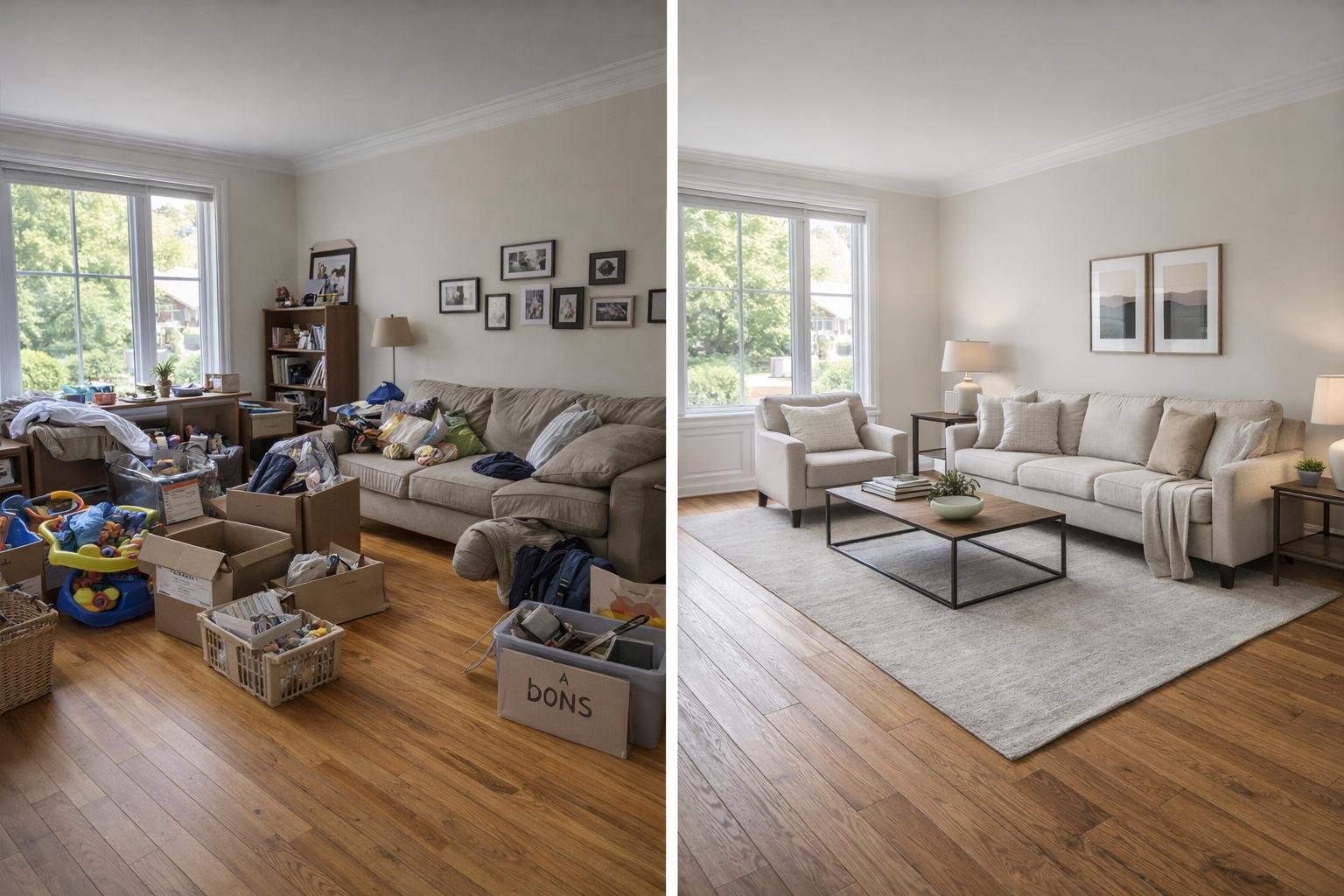
Fall Decluttering Hacks: 15 Smart Ways to Make Your Home Feel Bigger
Fall is the perfect time to give your home a fresh start. As cooler weather arrives and the holidays get closer, crowded countertops, overflowing closets, and packed storage areas can make even a spacious home feel small.
The good news is that you do not need expensive furniture, professional organizers, or an entire weekend to create more breathing room. These fall decluttering hacks will help you remove unnecessary items, organize everyday essentials, and make better use of the space you already have.
Whether you live in a small apartment, a townhouse, or a busy family home, simple changes can make rooms easier to use and more welcoming for holiday guests.
The key is to work in manageable steps. Start with one drawer or shelf, finish that area, and move on when you are ready. Here are 15 practical ways to prepare your home for fall and the holiday season without spending more than necessary.
If you are new to decluttering, start with our guide on how to declutter your home for simple steps to remove unnecessary items and organize your space.
Why Decluttering Before the Holidays Makes Sense
October and November are useful months to review your belongings. You may be bringing out winter clothing, preparing holiday meals, or making room for family and friends.
Decluttering before the busy season can help you:
- Create more usable space in crowded rooms.
- Find clothing, kitchen tools, and household supplies faster.
- Avoid buying items you already own.
- Make regular cleaning less time-consuming.
- Prepare guest areas without rushing at the last minute.
- Reduce the number of belongings you need to store.
You do not have to make every room look perfect. Focus on making your home more comfortable and functional for your household.
15 Fall Decluttering Hacks to Try Today
1. Start With the 15-Minute Decluttering Rule
A large organizing project can feel overwhelming when you try to finish everything at once. A 15-minute session gives you a clear starting point and a realistic stopping time.
Follow these steps:
- Choose one small area, such as a bedside drawer, bathroom shelf, or kitchen cabinet.
- Set a timer for 15 minutes.
- Remove items that do not belong in that space.
- Sort the remaining belongings into keep, donate, recycle, discard, or relocate piles.
- Return useful items to their proper places before moving on.
Avoid emptying several drawers at once. Finishing one small area gives you visible progress without creating more mess elsewhere.
2. Clear Your Kitchen Countertops
Kitchen counters often become storage areas for mail, shopping bags, appliances, and everyday supplies. Too many items can leave little room for preparing meals.
Remove everything from the counters and return only the items you use regularly. Store occasional-use appliances in suitable cabinets, and move paperwork to a designated location.
Keep frequently used cooking tools near your main preparation area. Place rarely used gadgets together so they are easy to find when needed.
This simple change creates more working space for everyday meals and holiday baking without requiring a kitchen renovation.
3. Create a Simple Seasonal Clothing System
Before bringing out all your winter clothes, review what you already own. This helps prevent crowded closets and unnecessary seasonal shopping.
Use this simple process:
- Gather jackets, sweaters, scarves, and other cold-weather clothing.
- Check each item for fit, comfort, and damage.
- Set aside clean, wearable pieces you no longer need for donation.
- Fold lightweight summer clothing and store it in labeled containers.
- Keep current-season clothing where you can reach it easily.
Use breathable storage bags or clean containers suitable for the fabric. Make sure clothing is completely dry before storing it to reduce the risk of musty odors and mildew.
4. Follow the One-In, One-Out Rule
The one-in, one-out rule helps prevent clutter from returning after you organize a room.
Whenever you bring a new item into your home, consider removing an older item from the same category. For example, if you buy a new sweater, donate one you no longer wear.
You can use this approach for kitchen gadgets, decorative objects, children’s toys, towels, and shoes.
Before shopping for holiday decorations or seasonal clothing, check your existing supplies. Buying less can save money and reduce the amount of storage space you need.
5. Organize Your Pantry Before Holiday Cooking
A crowded pantry makes it harder to see ingredients and can lead to duplicate grocery purchases. Organize it before holiday meal planning begins.

Follow these steps:
- Check one shelf at a time.
- Group similar items, such as pasta, rice, canned vegetables, baking supplies, and snacks.
- Move older products toward the front so you can use them first.
- Check packaging and discard food that is spoiled or unsafe.
- Wipe shelves and return items in clear, easy-to-follow groups.
Follow food storage instructions and distinguish quality dates from food safety guidance. A date printed on a package does not always mean the food becomes unsafe on that day.
Keep frequently used ingredients at convenient heights and avoid stacking containers so tightly that you cannot see what is behind them.
6. Create an Entryway Drop Zone
Shoes, coats, backpacks, and keys can quickly make your entrance look crowded. A simple drop zone gives everyday belongings a designated place.
Place a small basket near the door for keys and other essentials. Use hooks for coats and bags, and add a compact shoe rack if floor space allows.
For a narrow entrance, wall-mounted hooks can work better than bulky furniture. Keep the walkway clear so family members and guests can enter safely.
Make it a habit to return shoes and bags to their assigned spots each evening.

7. Declutter Your Bathroom Products
Bathroom cabinets often contain nearly empty bottles, duplicate toiletries, and products nobody uses. These items take up space that could hold daily essentials.
Remove products one shelf at a time. Check packaging, expiration information, and signs of damage or changes in smell or appearance. Follow the manufacturer’s disposal guidance for products that are no longer suitable to use.
Group everyday toiletries in a small washable container. Store occasional-use products separately, and avoid keeping unnecessary backups on the counter.
Keep medicines separate from ordinary toiletries and follow official guidance for safe storage and disposal.
8. Use Vertical Storage in Small Rooms
When floor space is limited, make better use of your walls and existing shelves. Vertical storage can help keep frequently used belongings accessible without adding large pieces of furniture.
Consider wall hooks for bags, shelves for lightweight accessories, and suitable organizers for towels or craft supplies.
Before installing a shelf, check the wall type and use the correct anchors or mounting hardware. Keep heavy objects securely supported, and avoid placing heavy items above beds or seating areas.
Measure the available space before buying organizers. The goal is to use existing space more effectively, not to fill every empty wall.
For more ways to make everyday spaces easier to manage, explore our simple home organization ideas for practical storage and organizing tips.
9. Refresh Your Linen Closet
Blankets, towels, sheets, and pillowcases can take over a linen closet when they are stored without a clear system.
Remove everything from one shelf and group matching bedding together. Keep everyday towels separate from guest towels, and store complete sheet sets together so you can find them quickly.
Donate clean linens in good condition if you have more than your household needs. Check local donation guidelines before dropping them off.
Fold bulky blankets into manageable stacks and leave enough room to remove items without pulling everything off the shelf.
10. Reduce Digital Clutter
Decluttering does not stop at physical belongings. A crowded phone, disorganized computer, and overflowing inbox can also make everyday tasks harder.
Start by deleting duplicate screenshots and unnecessary downloads. Remove unused applications, organize important files into clearly named folders, and unsubscribe from promotional emails you no longer want.
Review recurring subscriptions while you organize your digital accounts. Cancel services you no longer use, but check renewal dates and cancellation terms first.
These small steps can save time, reduce distractions, and help prevent avoidable expenses.
11. Create a Holiday Storage Box
Holiday decorations can become difficult to manage when they are spread across several closets and boxes. A dedicated storage system makes decorating easier.
Gather decorations from different rooms and review them before packing. Set aside broken items and decorations you no longer want.
Use boxes you already own, and label each container with its contents. Wrap fragile decorations carefully and keep related items together.
Store containers in a dry, suitable location. Avoid placing heavy boxes where you need to lift them over your head.
Before buying new decorations, check your labeled boxes to see what you already have.
12. Make Your Living Room More Flexible
Your living room may need to support relaxing, family activities, and holiday gatherings. Removing unnecessary items can make the room easier to rearrange.
Start by clearing side tables and removing decorative objects that do not serve a purpose or add enjoyment. Put remote controls, blankets, and children’s activities in designated storage spots.
Look at the walking paths between doors, seating, and other furniture. Move small tables or chairs if they make movement difficult.
You do not need to replace your furniture. A more open layout and fewer items on surfaces can help the room feel more comfortable.
13. Organize the Refrigerator and Freezer
An organized refrigerator helps you find ingredients before grocery shopping and plan meals around food you already have.
Check one shelf or drawer at a time. Group similar foods together, label homemade leftovers with preparation dates, and discard anything that is unsafe to eat.
Keep your refrigerator at 40°F or below and your freezer at 0°F. Follow food safety recommendations for storage times and handling.
You can also keep a short list of items that need to be used soon. Check that list before shopping, and plan a meal around suitable ingredients to reduce food waste.
“For more detailed guidance on how long different foods can be stored safely, check the official FoodSafety.gov cold food storage chart before organizing your refrigerator and freezer.”
14. Create a Donation Station
A donation station makes it easier to remove useful belongings as you discover them. Choose a reusable bag, sturdy box, or small container and place it somewhere convenient.
Add clean clothing, household goods, books, or other usable items that you no longer need. Check each organization’s accepted-item guidelines before donating.
When the container is full, arrange a drop-off or collection rather than allowing it to sit in a hallway for weeks.
For items that cannot be donated, check local recycling and disposal rules. Avoid placing damaged or unsuitable goods in donation boxes.
“Before throwing away usable household items, consider donating or reusing them. The U.S. Environmental Protection Agency’s reuse and donation guidance explains practical ways to reduce household waste and find new uses for unwanted belongings.”
15. Finish Each Evening With a 10-Minute Reset
A short evening reset helps keep clutter from building up again. It also makes the next morning easier because everyday items are already in their proper places.
Set a timer for ten minutes and focus on a few simple tasks:
- Clear the dining table and kitchen counters.
- Return shoes, bags, and coats to their designated spots.
- Put away blankets and remote controls.
- Place loose belongings in the correct rooms.
- Prepare the main living areas for the next day.
Ask family members to handle their own belongings when appropriate. Small shared habits are easier to maintain than expecting one person to organize the entire house.
A Simple Weekend Fall Decluttering Plan
You can use the following schedule to make progress without turning your entire weekend into a cleaning project.
- Friday evening: Clear one kitchen drawer and remove unnecessary countertop items.
- Saturday morning: Review seasonal clothing and prepare a donation bag.
- Saturday afternoon: Organize one or two pantry shelves and check refrigerator contents.
- Sunday morning: Declutter bathroom storage and refresh the linen closet.
- Sunday evening: Clear the living room and choose one daily habit to maintain.
Adjust the schedule to fit your household, work hours, and available energy. If you finish only two areas, that is still useful progress.
Common Decluttering Mistakes to Avoid
One common mistake is buying storage containers before deciding which belongings to keep. Extra boxes can hide clutter without solving the problem.
Another mistake is emptying several rooms at once. This creates unfinished piles and makes it harder to use your home while organizing.
Avoid discarding useful belongings simply because you want a minimalist look. Keep items that serve a purpose or hold genuine personal value, and find suitable storage for them.
Finally, do not expect your home to look like a showroom. A good organization system should match your family’s daily routines and remain easy to maintain.
Frequently Asked Questions
1. How can I declutter my home quickly?
Choose one small area, set a 15-minute timer, and remove items you no longer need before organizing what remains.
2. What should I declutter before winter?
Start with seasonal clothing, pantry shelves, household linens, bathroom products, holiday decorations, and items blocking everyday storage.
3. Do I need to buy organizing products?
No. Reuse suitable boxes, baskets, and containers you already own before deciding whether additional storage products are necessary.
4. How do I keep my home organized with children?
Give everyday belongings clear storage spots and encourage children to put away age-appropriate items as part of their daily routine.
5. How often should I declutter my home?
Do a short daily reset, review high-use areas weekly, and complete a seasonal decluttering session whenever your household needs it.
6. How can I make a small room feel bigger?
Clear crowded surfaces, keep walkways open, reduce unnecessary furniture, and use suitable vertical storage to free up floor space.
7. What should I do with unwanted household items?
Donate clean, usable items to suitable organizations and follow local recycling or disposal guidance for belongings that cannot be reused.
8. How can I avoid clutter returning after the holidays?
Use designated storage spots, review new purchases before bringing them home, and spend ten minutes each evening returning items to their places.
Final Thoughts
Preparing your home for the holidays does not require a major makeover or an expensive organizing system. These 15 fall decluttering hacks focus on practical changes that can make everyday spaces easier to use and maintain.
Start with one drawer, shelf, or countertop today. Once that area is organized, choose the next small task when you have time.
For more practical ideas about creating a comfortable, organized home, explore SmartLivDaily. A few consistent habits can help your home feel more welcoming throughout fall, the holidays, and the months ahead.