
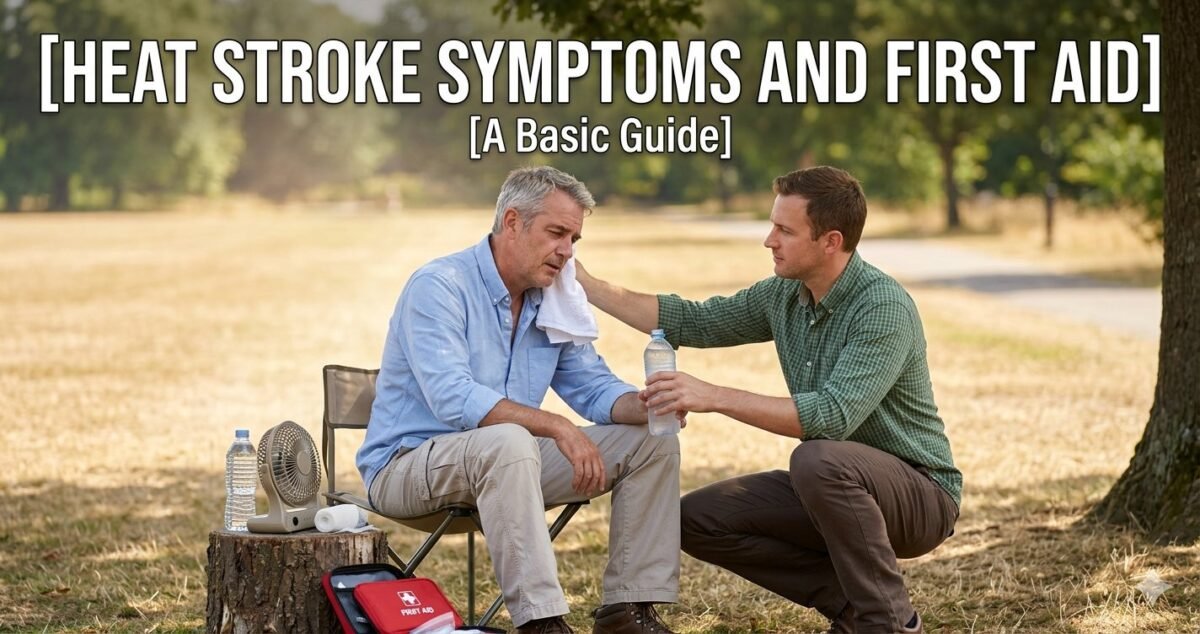
Heat Stroke Symptoms and First Aid: A Basic Guide
Heat stroke is a serious heat-related condition that can happen when the body becomes dangerously overheated. It can develop during very hot weather, strenuous exercise, outdoor work, or spending too much time in a hot environment. Because heat stroke can become life-threatening quickly, knowing the basic heat stroke symptoms and first aid steps is important for everyone.
Unlike mild heat discomfort, heat stroke can affect the brain and the body’s ability to control temperature. A person may become confused, weak, dizzy, or even unconscious. Recognizing these warning signs early and getting emergency medical help can be extremely important.
This simple guide explains what heat stroke is, the common symptoms, what to do if you suspect someone has heat stroke, what to avoid, and how to reduce the risk during hot weather.
What Is Heat Stroke?
Heat stroke is the most serious form of heat-related illness. It occurs when the body becomes extremely overheated and cannot cool itself effectively.
It can happen after prolonged exposure to high temperatures or after intense physical activity in hot conditions. In some situations, heat stroke can develop surprisingly quickly.
A person with heat stroke may have a very high body temperature and changes in normal behavior or awareness. They may become confused, have trouble speaking, faint, or become unconscious.
Because the condition can become dangerous quickly, suspected heat stroke should be treated as a medical emergency.
Common Heat Stroke Symptoms
Recognizing heat stroke symptoms and first aid signs quickly is one of the most important things you can do.
Very High Body Temperature

A person experiencing heat stroke may have an extremely high body temperature. Their body may feel unusually hot compared with normal.
If someone has become severely overheated and is also showing changes in mental awareness, don’t wait for the situation to improve on its own.
Confusion or Unusual Behavior
Confusion is an important warning sign.
The person may seem disoriented, have difficulty answering simple questions, speak unusually, behave differently, or have trouble understanding what is happening around them.
A sudden change in mental awareness during extreme heat should be taken seriously.
Dizziness or Weakness
Severe overheating may cause dizziness, weakness, headache, or difficulty standing.
The person may appear extremely tired or have trouble walking normally.
Headache

A strong headache can occur during serious heat-related illness, especially when it happens along with other symptoms such as dizziness, weakness, nausea, or confusion.
Nausea or Vomiting
Some people experiencing severe heat illness may feel sick to their stomach or vomit.
Vomiting can also make dehydration worse, which is another reason serious symptoms should not be ignored.
Hot Skin
The person’s skin may feel very hot. Their skin can be dry, but sweating may also occur.
Do not assume that someone is safe from heat stroke simply because they are sweating.

Fainting or Loss of Consciousness
Fainting, becoming unresponsive, or losing consciousness is a serious warning sign.
If someone becomes unconscious during extreme heat, emergency medical assistance should be requested immediately.
Seizures
Seizures can occur in severe cases and require immediate emergency medical attention.
Heat Exhaustion vs. Heat Stroke
Heat exhaustion and heat stroke are related but are not the same.
Heat exhaustion can cause heavy sweating, weakness, dizziness, headache, thirst, nausea, and muscle cramps. It should be taken seriously because it can become more severe.
Heat stroke is much more serious and may involve confusion, unusual behavior, loss of consciousness, seizures, or dangerously high body temperature.
A simple way to remember it is:
Heat exhaustion = serious warning condition.
Heat stroke = medical emergency.
If a person develops confusion or a significant change in mental awareness during hot weather, don’t simply assume they need water and rest. Get emergency medical help.
What to Do for Heat Stroke
If you suspect heat stroke, act quickly.
1. Call Emergency Medical Services
The first and most important step is to call your local emergency medical service.
Do not wait to see whether the person gets better.
Tell the emergency service that you suspect heat stroke and describe the person’s symptoms.
2. Move the Person to a Cooler Place
If it is safe to do so, move the person away from direct sunlight and heat.
A shaded, cool, or air-conditioned location is preferable.
The goal is to reduce continued exposure to heat while waiting for professional help.
3. Remove Unnecessary Clothing
Remove extra outer clothing if possible.
This allows more of the body to be exposed to cooling methods.
Keep the person comfortable while continuing to focus on lowering their body temperature.
4. Start Cooling the Person
Cooling the body is an important part of basic heat stroke symptoms and first aid.
Cooling the person quickly is a critical part of heat stroke first aid. Call emergency medical services immediately, then begin rapid cooling while waiting for help.
If it is safe and practical, use cold-water immersion for rapid cooling, with someone continuously supervising the person. If immersion is not possible, soak the skin and clothing with cool or cold water, apply cold wet towels, and use a fan to help cool the body.
You can also place cold, wet cloths or wrapped cold packs on areas such as the neck, armpits, and groin.
Never delay emergency medical care while preparing cooling equipment. If the person is unconscious or having seizures, do not place them in a bath where they could drown. Follow emergency dispatcher instructions and monitor their breathing and responsiveness.
The American Red Cross also provides a heat stroke first-aid guide explaining emergency response and rapid cooling methods.
5. Stay With the Person
Do not leave someone with suspected heat stroke alone.
Stay with them and observe their condition while waiting for emergency assistance.
If their condition changes, communicate that information to emergency responders.
6. Keep Monitoring Their Condition
Pay attention to their breathing, responsiveness, and overall condition.
If they become unconscious or stop breathing normally, follow the instructions provided by emergency medical services.
If you know appropriate first aid or CPR, follow your training and the instructions of emergency responders.
7. Follow Professional Instructions
Emergency medical professionals may provide specific instructions based on the person’s condition.
Follow those instructions carefully until help arrives.
For additional guidance, read the CDC’s information on heat-related illnesses, including warning signs and first-aid steps for suspected heat stroke.
What Not to Do During Suspected Heat Stroke
Knowing what to avoid is just as important as knowing what to do.
Don’t Wait for the Person to Improve
Heat stroke can become dangerous quickly.
Don’t simply tell the person to rest and wait if they are confused, extremely overheated, fainting, or showing other serious symptoms.
Don’t Leave Them Alone
Stay with the person while waiting for emergency assistance.
Don’t Force Fluids
Do not give water, sports drinks, food, or other fluids by mouth to someone with suspected heat stroke. Confusion, seizures, reduced alertness, or difficulty swallowing can make drinking unsafe and increase the risk of choking. Call emergency services and focus on rapid cooling instead.
Don’t Assume Sweating Means They’re Fine
Sweating does not automatically mean that a person is not experiencing heat stroke.
Look at the entire situation and the person’s symptoms.
Don’t Delay Cooling
Once emergency help has been requested, begin appropriate cooling as quickly as possible.
Who Is More Vulnerable to Heat?
Anyone can develop heat-related illness, but some people may be more vulnerable.
These can include:
- Young children
- Older adults
- People exercising outdoors
- Outdoor workers
- People with certain health conditions
- People taking certain medications
- People who are not accustomed to hot weather
- People spending long periods in hot environments
Extra care may be needed during heat waves or periods of unusually high temperatures.
How to Prevent Heat Stroke
The best approach to heat-related illness is prevention.
Stay Hydrated
Drink fluids regularly during hot weather and when participating in physical activity.
Don’t wait until you feel extremely thirsty before thinking about hydration.
Your individual fluid needs can vary depending on activity, weather, health, and other factors.
For simple everyday hydration ideas, see our Stay Hydrated: Simple Everyday Tips guide.
Take Regular Breaks
If you’re working or exercising outdoors, take breaks in a shaded or cooler area.
Short breaks can help reduce prolonged heat exposure.
Avoid the Hottest Part of the Day
When possible, schedule outdoor activities during cooler parts of the morning or evening.
If you must be outside during very hot conditions, take additional precautions.
For more information about preventing heat-related illness, see the CDC’s heat safety guidance.
Wear Light, Comfortable Clothing
Loose-fitting and lightweight clothing can make hot weather more comfortable.
A hat can also provide protection from direct sunlight.
Use Air Conditioning or Fans
During very hot weather, spend time in an air-conditioned or otherwise cool environment when possible.
If your home becomes extremely hot, consider spending some time in an appropriate cooler location.
Never Leave Children or Pets in a Hot Car
A parked vehicle can become dangerously hot very quickly, even when the outside temperature does not seem extreme.
Never leave a child or pet alone inside a parked vehicle.
Heat Stroke First Aid for Outdoor Exercise
Exercise in hot weather requires extra care.
If you are walking, running, cycling, or exercising outdoors, pay attention to how you feel.
Take breaks, drink appropriate fluids, and move to a cooler location if you begin feeling unusually weak, dizzy, nauseated, or confused.
Don’t try to push through severe symptoms.
A workout can wait. Your safety is more important.
What Should You Do If Someone Becomes Dizzy in the Heat?
Dizziness can have several causes, so the situation should be considered carefully.
If someone becomes dizzy while in a hot environment, help them move to a cooler place and stop physical activity.
Allow them to rest and cool down.
If symptoms are severe, continue, worsen, or are accompanied by confusion, fainting, seizures, or other serious symptoms, seek emergency medical assistance.
Do not assume that every case of dizziness is simply dehydration.
If the person becomes confused, has a seizure, faints, or loses consciousness, treat the situation as a medical emergency. Call emergency services immediately and begin cooling if heat stroke is suspected. Do not give fluids to anyone who is confused or unable to swallow safely.
Frequently Asked Questions
What is the first thing to do if you suspect heat stroke?
Treat it as an emergency and call your local emergency medical service. Then move the person to a cooler place and begin appropriate cooling while waiting for help.
Can heat stroke happen without exercise?
Yes. Heat stroke can occur after prolonged exposure to very hot environments even when a person is not exercising.
Does a person always stop sweating during heat stroke?
No. A person may still sweat during heat stroke, so sweating alone should not be used to determine whether heat stroke is present.
Should you give water to someone with heat stroke?
If the person is confused, unconscious, having seizures, or unable to swallow safely, do not give them anything by mouth. Focus on emergency medical help and cooling.
How can you prevent heat stroke?
Stay hydrated, take breaks, avoid excessive heat when possible, wear comfortable clothing, stay in cool environments, and avoid strenuous outdoor activity during the hottest periods.
Can children experience heat stroke?
Yes. Children can develop heat-related illness and need careful supervision during hot weather.
Is heat exhaustion the same as heat stroke?
No. Heat exhaustion is a serious heat-related condition, while heat stroke is a medical emergency that can cause severe complications.
Simple Heat Safety Checklist
Before spending a long time outdoors on a hot day, remember:
Drink fluids.
Take breaks.
Stay in the shade when possible.
Wear lightweight clothing.
Avoid intense activity during extreme heat.
Watch for unusual weakness or dizziness.
Never ignore confusion or loss of consciousness.
Get emergency help when heat stroke is suspected.
Final Thoughts
Understanding heat stroke symptoms and first aid can help you respond more confidently during a heat-related emergency.
The most important warning signs include extreme overheating, confusion, unusual behavior, severe weakness, fainting, loss of consciousness, and seizures. If heat stroke is suspected, contact emergency medical services immediately and begin cooling the person while waiting for professional help.
Prevention is equally important. Stay hydrated, take regular breaks, avoid excessive heat when possible, wear comfortable clothing, and pay attention to how your body responds to hot weather.
Most importantly, never ignore serious symptoms simply because you think someone is tired or dehydrated. Heat stroke is an emergency, and getting professional help quickly is essential.
Medical Disclaimer: This article is for general educational purposes and basic first-aid awareness. It does not replace professional medical advice, diagnosis, or emergency medical treatment.