
FRIDGE ORGANIZATION
How to Organize Your Refrigerator for a Cleaner Kitchen
A messy refrigerator can make your entire kitchen feel disorganized. When shelves are crowded, leftovers are forgotten, and ingredients are difficult to find, daily cooking can become stressful. A simple fridge organization system can help you create a cleaner kitchen, reduce food waste, and make your daily routine much easier.
Your refrigerator is one of the most used spaces in your home, but it often does not receive the same attention as other areas. Many people clean their counters, cabinets, and floors regularly but forget that the fridge also needs a proper organization system.
A simple fridge organization system can help you create a cleaner kitchen, reduce food waste, and make your daily routine much easier.
Why Fridge Organization Matters
A well-organized refrigerator saves time and makes everyday tasks easier. When everything has a proper place, you can quickly find ingredients, prepare meals faster, and avoid buying items you already have.
Creating an organized space starts with removing unnecessary clutter. You can also learn simple tips for decluttering your home to create a cleaner and more functional living environment.
Poor refrigerator organization can lead to:
- Expired food being forgotten
- Duplicate grocery purchases
- Wasted leftovers
- Crowded shelves
- Difficulty finding ingredients
A simple fridge organization system helps you:
- Keep food visible and accessible
- Reduce unnecessary spending
- Maintain a cleaner kitchen
- Store food properly
- Make grocery shopping easier
A clean refrigerator is not only about appearance. It also helps create better daily habits.
Step 1: Empty and Clean Your Refrigerator
Before organizing your refrigerator, start with a complete reset. Remove everything from shelves, drawers, and door compartments.
Place items on your kitchen counter and check each product carefully.
Remove:
- Expired foods
- Spoiled fruits and vegetables
- Old leftovers
- Empty containers
- Items you no longer use
After removing unnecessary items, clean the inside of your refrigerator.
Wipe:
- Shelves
- Drawers
- Door compartments
- Corners where spills collect
Allow everything to dry before placing food back inside.
Maintaining a clean refrigerator at the beginning facilitates organization and extends the life of your new equipment. Maintaining a clean refrigerator at the beginning facilitates organization and extends the life of your new equipment.
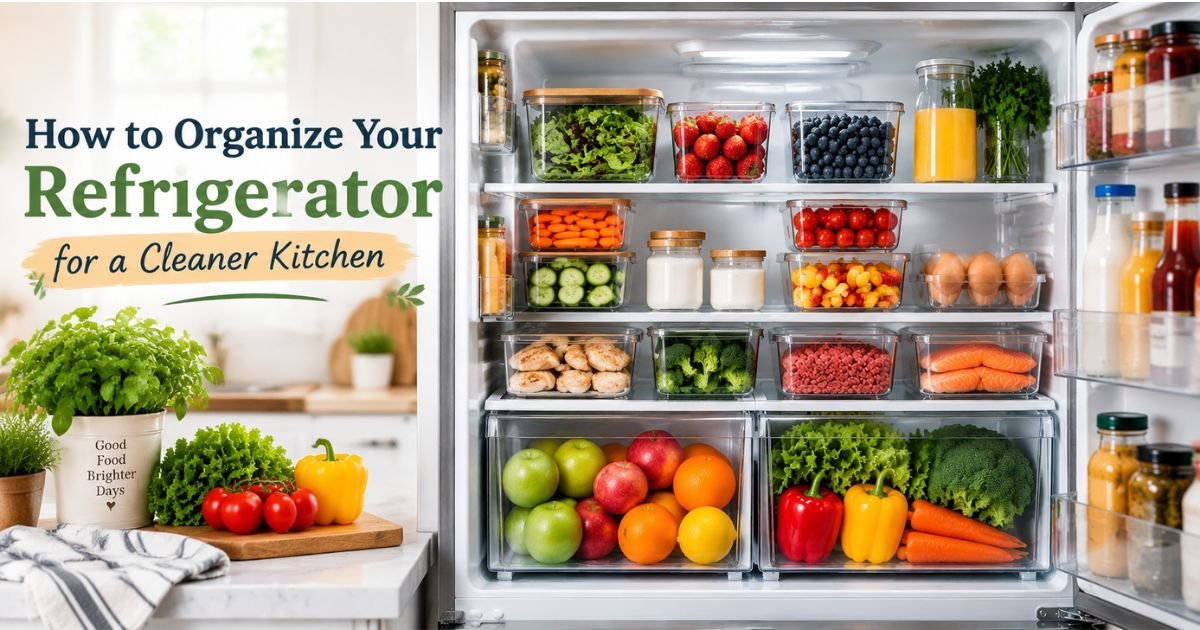
Step 2: Create Zones for Different Foods
One of the most effective fridge organization methods is creating different zones for different food categories.
Instead of placing items randomly, assign each area a purpose.

Top Shelf
The top shelf is a good place for ready-to-eat foods such as:
- Leftovers
- Prepared meals
- Snacks
- Drinks
Keeping these items visible helps you remember to use them before they expire.
Middle Shelf
Use the middle shelf for everyday items you regularly reach for.
Examples include:
- Milk products
- Yogurt
- Cheese
- Eggs
- Frequently used ingredients
This area should contain items you use often.
Bottom Shelf
The bottom shelf is usually the coldest area and works well for:
- Raw meat
- Seafood
- Items that need extra cooling
Store raw foods properly and keep them separated to maintain cleanliness.
Drawers
Use refrigerator drawers for:
- Fruits
- Vegetables
- Fresh produce
Keeping produce separated helps maintain freshness and prevents items from getting lost.
Step 3: Use Clear Containers and Labels

Clear containers are one of the easiest ways to improve your fridge organization. They help you see what you have without searching through every shelf.
Containers are useful for:
- Leftovers
- Cut vegetables
- Snacks
- Small packages
- Meal preparation items
Labels make organization even better. You can write:
- Food name
- Preparation date
- Expiration date
This is especially helpful for leftovers because you can quickly identify what needs to be used first.
A simple labeling habit can reduce food waste and help your kitchen run more efficiently.
Step 4: Arrange Items Based on Usage
A good fridge organization system should make your kitchen routine simpler and help you maintain a clutter-free refrigerator.
Place frequently used items where they are easy to reach.
For example:
- Breakfast items together
- Cooking ingredients in one section
- Snacks in a visible area
- Drinks grouped together
Avoid pushing commonly used products to the back of the refrigerator. When items are hidden, they are more likely to be forgotten.
The goal of fridge organization is to create a system where you can quickly see and access what you need.
Step 5: Organize Your Refrigerator Door
The refrigerator door is often the most crowded area because many small items are stored there.
Use door shelves for:
- Sauces
- Condiments
- Pickles
- Jars
- Juice bottles
Avoid overloading the door because too many items can make it difficult to find anything.
Small organizers or baskets can help group similar products together and keep the door neat.
Step 6: Reduce Food Waste with Smart Storage
One major benefit of refrigerator organization is reducing wasted food.
Many households throw away food because they forget about items hidden behind other products.
Proper food storage also plays an important role in keeping food fresh and safe. You can learn more about safe food storage practices from USDA guidelines.
To prevent this:
- Keep older items in front
- Move newer items behind
- Check your refrigerator before shopping
- Store leftovers in clear containers
- Plan meals around available ingredients
This simple system helps you save money and use food more efficiently.
Important Refrigerator Food-Safety Tips
Keep your refrigerator at 40°F (4°C) or below and use an appliance thermometer to check the temperature. Store raw meat, poultry, and seafood in sealed containers or secure packaging to prevent their juices from contaminating other foods.
Refrigerate perishable foods promptly. Use most cooked leftovers within 3–4 days, or freeze them if you need to keep them longer. When in doubt about whether food is safe, check official food-storage guidance rather than relying on appearance or smell.
For detailed recommendations, see the FoodSafety.gov Cold Food Storage Chart.
Step 7: Keep Your Freezer Organized
The freezer can quickly become difficult to manage because frozen items often stay there for long periods.

A good freezer organization system includes:
- Grouping similar foods together
- Using freezer-safe containers
- Labeling frozen items
- Avoiding unnecessary overfilling
Create sections for:
- Frozen vegetables
- Frozen fruits
- Meat and seafood
- Ready-to-cook meals
When your freezer has clear categories, you can find items easily without searching through piles of frozen packages.
Step 8: Create a Weekly Fridge Reset Routine
Maintaining an organized refrigerator does not require hours of cleaning. A short weekly reset can keep everything under control.
Choose one day each week to:
- Check expired items
- Wipe small spills
- Organize containers
- Move older food forward
- Make a grocery list
This small habit prevents clutter from building up again.
A weekly reset is one of the easiest ways to maintain long-term fridge organization.
Common Fridge Organization Mistakes to Avoid
Even when people try to organize their refrigerator, some habits can create problems.

1.Overfilling the Refrigerator
A crowded fridge makes it difficult to find items and can hide food that needs to be used. Keep enough space between products so everything remains visible.
2.Not Checking Expiration Dates
Expired products take up valuable space and create unnecessary clutter. Make checking dates part of your weekly routine.
3. Using Unsuitable Storage Containers
Not every food needs to be transferred into a new container. Keep products in their original packaging when it provides suitable protection, and use clean, food-safe containers for leftovers or foods that need repackaging. Always keep raw meat, poultry, and seafood securely wrapped or in sealed containers to prevent leaks and cross-contamination.
4.Ignoring Leftovers
Leftovers should always be stored properly and kept visible. Labelling containers helps you remember when food was prepared.
5.Organizing Without a System
Simply moving items around does not create long-term organization. A successful system needs clear categories and regular maintenance.
Tips to Maintain a Cleaner Refrigerator
Once you create your organization system, follow simple habits to keep it working.
- Clean spills immediately
- Return items to their correct place
- Avoid unnecessary grocery purchases
- Check your fridge before shopping
- Keep similar foods together
- Do a quick weekly reset
Small actions create a big difference over time.
Final Thoughts
A clean and organized refrigerator can make your entire kitchen feel more comfortable and efficient. With a simple fridge organization system, you can save time, reduce food waste, and make everyday cooking easier.
To improve your system, you don’t need a big refrigerator or pricey organizers. Your refrigerator may be kept in good working order with simple containers, strategic placement, and routine maintenance.
Consistent fridge organization habits can help you maintain a cleaner refrigerator without spending hours on maintenance.
1 thought on “Fridge Organization”