
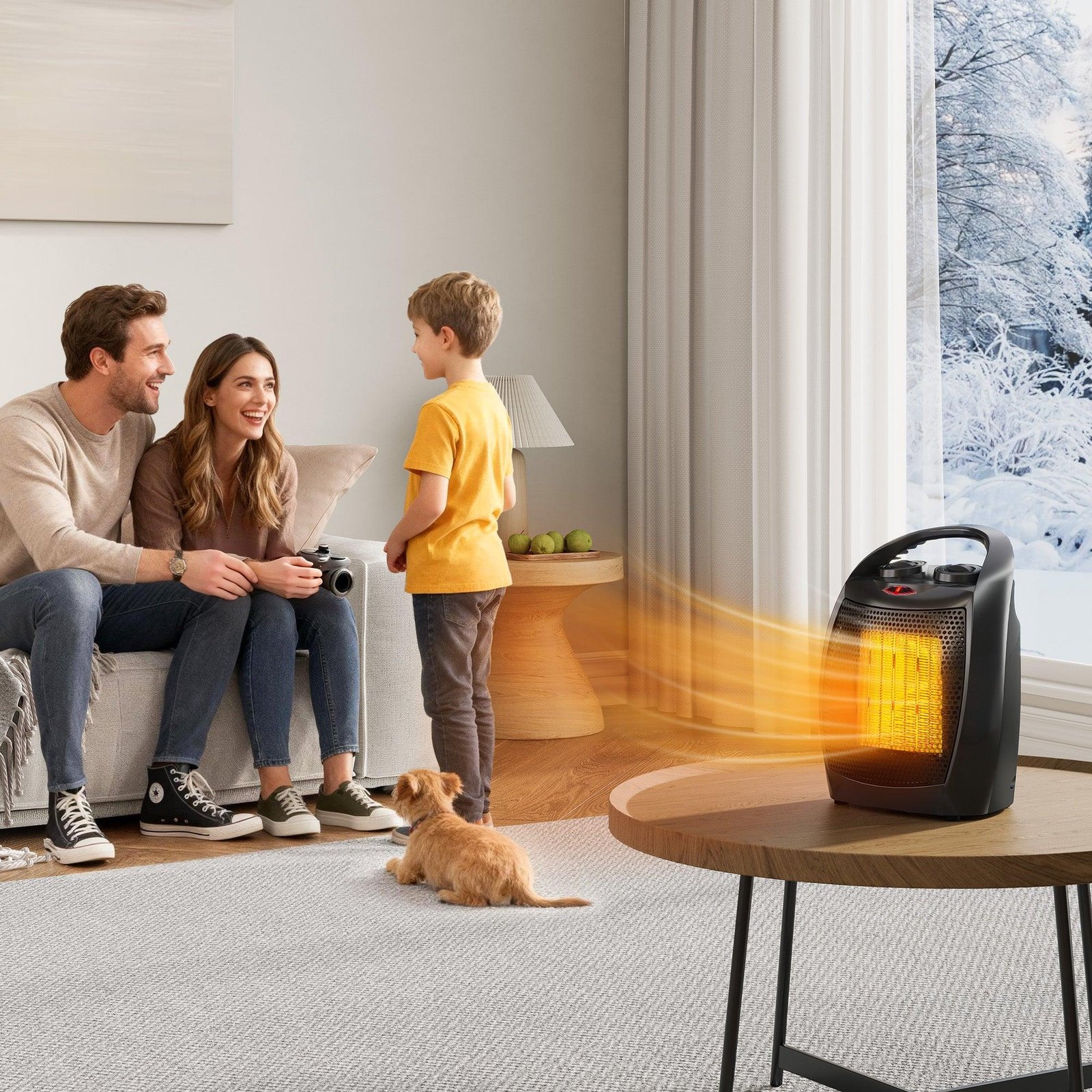
9 Dangerous Winter Heater Safety Mistakes That Could Put Your Family at Risk
When winter temperatures fall, a reliable heating system can make your home feel warm, comfortable, and safe. However, a heater that is used incorrectly can create serious problems for your family. A small mistake, such as placing a space heater too close to a curtain or ignoring a carbon monoxide alarm, can lead to a house fire or dangerous exposure.
Understanding dangerous winter heater safety mistakes is important for every household, especially during months when heating equipment runs for several hours each day.
According to the U.S. Consumer Product Safety Commission (CPSC), portable heaters were associated with an estimated average of 1,600 fires annually during 2020–2022. These incidents resulted in an average of 70 deaths and 150 injuries each year.
The good news is that many heating-related hazards can be reduced with simple precautions, regular maintenance, and proper equipment use.
Here are nine common mistakes to avoid, along with practical steps to help protect your home and family.
1. Using a Gas Heater Without Proper Ventilation
Gas heaters can provide effective warmth, but fuel-burning equipment must be installed and operated according to its safety requirements.
Some gas heaters release combustion gases that must travel safely outside through a vent or flue. A blocked exhaust pipe, damaged connection, or incorrect installation can allow carbon monoxide to enter your living space.
Carbon monoxide (CO) is especially dangerous because it has no color or smell. You cannot identify a dangerous buildup by looking at the room or smelling the air.
How to prevent this mistake:
- Use only heaters approved for the type of indoor space where they operate.
- Follow the manufacturer’s ventilation and installation instructions.
- Keep air vents and exhaust openings clear.
- Schedule professional inspections for gas-burning equipment.
- Never modify a heater or block its ventilation openings.
- Clear snow and debris from outdoor furnace exhaust vents.
Never bring an outdoor propane heater, camping stove, or fuel-burning appliance into your home unless it is specifically approved for indoor use.
2. Placing Portable Heaters Too Close to Furniture
A portable heater can become a fire hazard when it sits near objects that catch fire easily.
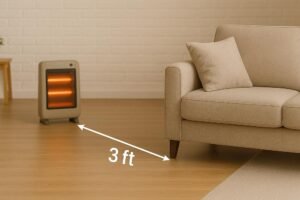
Curtains, blankets, upholstered furniture, paper, clothing, and bedding can become dangerously hot when exposed to a nearby heat source. A heater may also be knocked over if someone accidentally bumps into it.
The CPSC recommends keeping portable heaters at least three feet away from anything that can burn.
How to prevent this mistake:
- Choose a flat, stable surface for your heater.
- Keep at least three feet of clear space around it.
- Position it away from curtains, beds, sofas, and clothing.
- Keep it out of busy walkways and doorways.
You can also explore these simple home organization ideas to keep household spaces organized and everyday walkways clear.
- Never cover a heater with towels or blankets.
- Do not use a heater to dry wet clothes or shoes.
Pay extra attention to children and pets. A safety barrier can help keep them away from hot surfaces, provided it does not block the heater’s required airflow.
For additional household protection, read our guide to fire emergency safety to learn how to respond when a fire breaks out at home.
3. Leaving Portable Heaters Running While Sleeping
A warm bedroom can feel comforting on a freezing night, but leaving a portable heater running while everyone sleeps creates avoidable risks.
An electric space heater can overheat nearby bedding or furniture if it is placed incorrectly. A fuel-burning portable heater can also create a carbon monoxide hazard if it is unsuitable for the space or lacks proper ventilation.
Sleeping family members may not notice smoke, unusual heat, or early warning signs of a problem.
Safer bedtime habits:
- Turn off portable space heaters before going to sleep.
- Keep blankets, pillows, and mattresses away from heating equipment.
- Never use a gas oven or charcoal burner to warm a bedroom.
- Make sure smoke and carbon monoxide alarms are working.
- Use a properly maintained permanent heating system for overnight warmth.
If your heater has an automatic shutoff feature, remember that it is an extra safety measure, not a replacement for following the owner’s manual.
4. Ignoring the Warning Signs of Carbon Monoxide Poisoning
Carbon monoxide poisoning is one of the most serious hazards associated with incorrectly used fuel-burning heating equipment.
Early symptoms can look similar to the flu or a common winter illness. This makes it easy to overlook a potentially dangerous indoor exposure.
Common warning signs include:
- Headache
- Dizziness or lightheadedness
- Nausea or vomiting
- Unusual weakness or tiredness
- Confusion
- Chest pain
- Shortness of breath
One important warning sign is when several people in the same household develop similar symptoms at the same time.
Symptoms that improve after leaving the building can also indicate possible carbon monoxide exposure.
What should you do?
Leave the building immediately if you suspect carbon monoxide exposure. Move everyone, including pets, into fresh air and contact emergency services from outside.
Do not wait for symptoms to become severe. Children, older adults, and people with existing health concerns may be especially vulnerable to serious effects.
5. Forgetting to Install Carbon Monoxide Detectors
A smoke alarm and a carbon monoxide alarm perform different jobs. A smoke alarm detects smoke, while a CO alarm is designed to detect dangerous carbon monoxide levels.
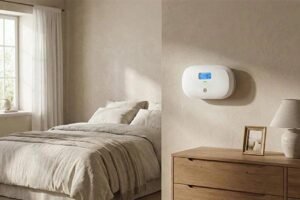
Without a working CO detector, your family may not receive an early warning when poisonous gas enters the home.
The CPSC recommends installing carbon monoxide alarms on every level of your home and outside sleeping areas.
Follow these safety steps:
- Install CO alarms according to local building requirements and manufacturer instructions.
- Place alarms outside bedrooms and on each level of the house.
- Choose battery-powered models or units with battery backup.
- Test alarms every month.
- Replace batteries when required.
- Replace expired alarms according to their service-life instructions.
Interconnected alarms can provide an added layer of protection because multiple units can sound when one detects a problem.
Remember that a smoke detector alone cannot replace a carbon monoxide alarm.
6. Using a Gas Stove or Oven to Heat Your Home
When outdoor temperatures become extremely low, some families look for quick ways to warm their homes. Unfortunately, using a cooking appliance as a room heater is a dangerous shortcut.
Gas ovens and stovetops are designed for cooking, not for continuous home heating. Operating them for warmth can increase the risk of carbon monoxide exposure, burns, and fire.
Charcoal grills, camping stoves, and outdoor cooking equipment are equally unsuitable for indoor heating.
Avoid these unsafe practices:
- Never leave a gas oven open to warm your kitchen.
- Do not run a gas stovetop continuously for room heating.
- Never burn charcoal inside a house, basement, or garage.
- Do not operate camping stoves indoors.
- Keep outdoor propane heaters outside unless the specific model is approved for the intended indoor use.
Instead, use a properly rated indoor heating appliance and follow its operating instructions. If your heating system stops working, contact a qualified heating technician rather than experimenting with cooking equipment.
7. Plugging Electric Heaters Into Extension Cords
Electric space heaters often draw a large amount of electricity. Connecting one to an extension cord or power strip can create an overheating and fire hazard.
The problem can become worse when the cord is damaged, covered by a rug, or connected to an overloaded outlet.
Use these electrical safety practices:
- Plug your electric space heater directly into a suitable wall outlet.
- Never use an extension cord or power strip.
- Keep the power cord uncovered and away from rugs.
- Check plugs and cables for cracks, damage, or unusual heat.
- Keep electrical connections away from water.
- Stop using the heater if its plug or cord becomes damaged.
If the outlet feels unusually hot, smells like burning plastic, or shows signs of discoloration, stop using it and contact a qualified electrician.
Never attempt to repair a damaged heater cord with household tape.
8. Neglecting Heater and Chimney Maintenance
Heating equipment needs regular care to operate safely. A furnace may appear to work normally while having a blocked vent, damaged component, or other hidden problem.
Fireplaces and wood-burning stoves also need attention. Creosote buildup, cracked chimney liners, and blocked flues can increase fire and carbon monoxide risks.
The CPSC recommends annual professional inspections of fuel-burning heating systems, including furnaces, boilers, fireplaces, wood stoves, chimneys, and vents.
Prepare your heating system before winter:
- Arrange an annual inspection with a qualified professional.
- Clean or replace furnace filters according to the manufacturer’s instructions.
- Check visible vents for obstructions.
- Have chimneys inspected and cleaned when needed.
- Look for unusual noises or changes in heating performance.
- Never ignore signs of damaged pipes or exhaust connections.
Do not attempt complicated gas or chimney repairs yourself. A trained technician can identify problems that may not be visible during a routine household check.
Learning basic practical home repairs can also help you understand which household maintenance tasks need attention and when professional assistance is necessary.
9. Ignoring a Carbon Monoxide Alarm or Suspected Gas Exposure
Ignoring a carbon monoxide alarm is one of the most dangerous decisions a household can make.
Even if everyone feels normal, an activated alarm must be treated seriously. Carbon monoxide can reach dangerous levels before occupants notice symptoms.
Follow these emergency steps:
- Move everyone outside immediately.
- Take pets with you if you can do so without delaying evacuation.
- Call 911 or your local emergency number from a safe location.
- Tell emergency responders that a carbon monoxide alarm has activated.
- Seek medical attention if anyone feels unwell.
- Stay outside until emergency responders or qualified professionals confirm the building is safe.
Do not return inside to find the source, open windows, or switch off appliances. Your safety comes first.
If you smell natural gas or hear a gas leak, leave immediately without operating electrical switches or devices inside. Contact your gas utility or emergency services from a safe location.
What to Do if You Suspect Carbon Monoxide Poisoning
Carbon monoxide exposure requires immediate action. Do not assume that fresh air alone has solved the problem.
Follow this step-by-step response:
Step 1: Move Everyone to Fresh Air
Leave the building immediately. Make sure children, older adults, and other household members reach a safe outdoor location.
Step 2: Call Emergency Services
Call 911 in the United States or your local emergency number from outside. Explain that you suspect carbon monoxide exposure.
Step 3: Get Medical Help
Seek urgent medical assessment, even if symptoms begin to improve outdoors. Medical professionals can assess the exposure and decide whether oxygen treatment or additional care is needed.
Step 4: Wait for Professional Clearance
Do not re-enter your home until emergency responders or qualified professionals confirm that the carbon monoxide source has been addressed and the building is safe.
Never enter a potentially contaminated building to rescue someone who has collapsed. Call emergency services and follow their instructions.
A Simple Winter Heater Safety Checklist
A short household inspection can help you identify problems before cold weather becomes severe.
Use this checklist before operating your heating equipment regularly:
- Fuel-burning heating systems have received professional inspections.
- Chimneys, flues, and ventilation openings are clear.
- Carbon monoxide alarms are installed and working.
- Smoke alarms are installed and working.
- Portable heaters are at least three feet from combustible materials.
- Electric heaters are plugged directly into wall outlets.
- Power cords and plugs are free from visible damage.
- Portable heaters are turned off before bedtime.
- Gas stoves and outdoor cooking appliances are never used for indoor heating.
- Every family member knows what to do when an alarm sounds.
Keeping emergency supplies organized is another useful household precaution. Explore our guide to home first aid kit essentials to learn which basic supplies every family should keep ready.
Families with young children, older adults, and people who may need assistance evacuating should make an emergency plan before winter begins.
For more practical household advice, explore SmartLivDaily for useful home safety, organization, and everyday living tips.
Frequently Asked Questions
1. What is the safest way to use a portable space heater?
Place it on a flat surface, keep it at least three feet from combustible objects, plug it directly into a wall outlet, and turn it off before sleeping.
2. Can an electric space heater cause carbon monoxide poisoning?
A standard electric resistance heater does not produce carbon monoxide because it does not burn fuel, but it can still cause electrical fires.
3. How far should a space heater be from furniture?
Keep at least three feet of clearance between the heater and furniture, curtains, bedding, clothing, and other objects that can burn.
4. Is it safe to leave a heater running overnight?
Portable heaters should be turned off before sleeping. Follow the manufacturer’s instructions and use a properly maintained permanent heating system overnight.
5. Where should carbon monoxide detectors be installed?
Install CO alarms on every level of your home and outside sleeping areas, following local requirements and manufacturer instructions.
6. What are the first signs of carbon monoxide poisoning?
Common symptoms include headache, dizziness, nausea, weakness, chest pain, and confusion. Leave the building immediately if exposure is suspected.
7. Can I use a gas oven to heat my house during winter?
No. Gas ovens are designed for cooking, not home heating, and can create carbon monoxide and fire hazards.
8. What should I do if my carbon monoxide alarm goes off?
Immediately evacuate everyone, move outdoors, call emergency services, and do not return until professionals confirm the home is safe.
Final Thoughts
Winter heating should make your home comfortable without putting your family in danger. Many preventable accidents happen because people overlook simple precautions or assume their heating equipment is safe without proper maintenance.
Avoiding dangerous winter heater safety mistakes starts with keeping portable heaters away from combustible materials, using electrical equipment correctly, maintaining fuel-burning appliances, and installing working carbon monoxide alarms.
Make these precautions part of your regular winter routine. A few minutes of preparation can help protect your home, your loved ones, and your peace of mind.
Important Safety Note: This article provides general household safety information. Always follow the manufacturer’s instructions, local safety requirements, and advice from qualified professionals. In an emergency, contact local emergency services.